
Organic Farming
Home | Culture & Community | Organic Farming

CULTURE & COMMUNITY
Organic Farming
Indonesia, known for its agricultural richness, is increasingly embracing organic farming as a sustainable alternative to conventional agricultural practices. With its fertile soil and diverse climate, the country is well-positioned to expand organic farming, offering healthier produce while preserving the environment.
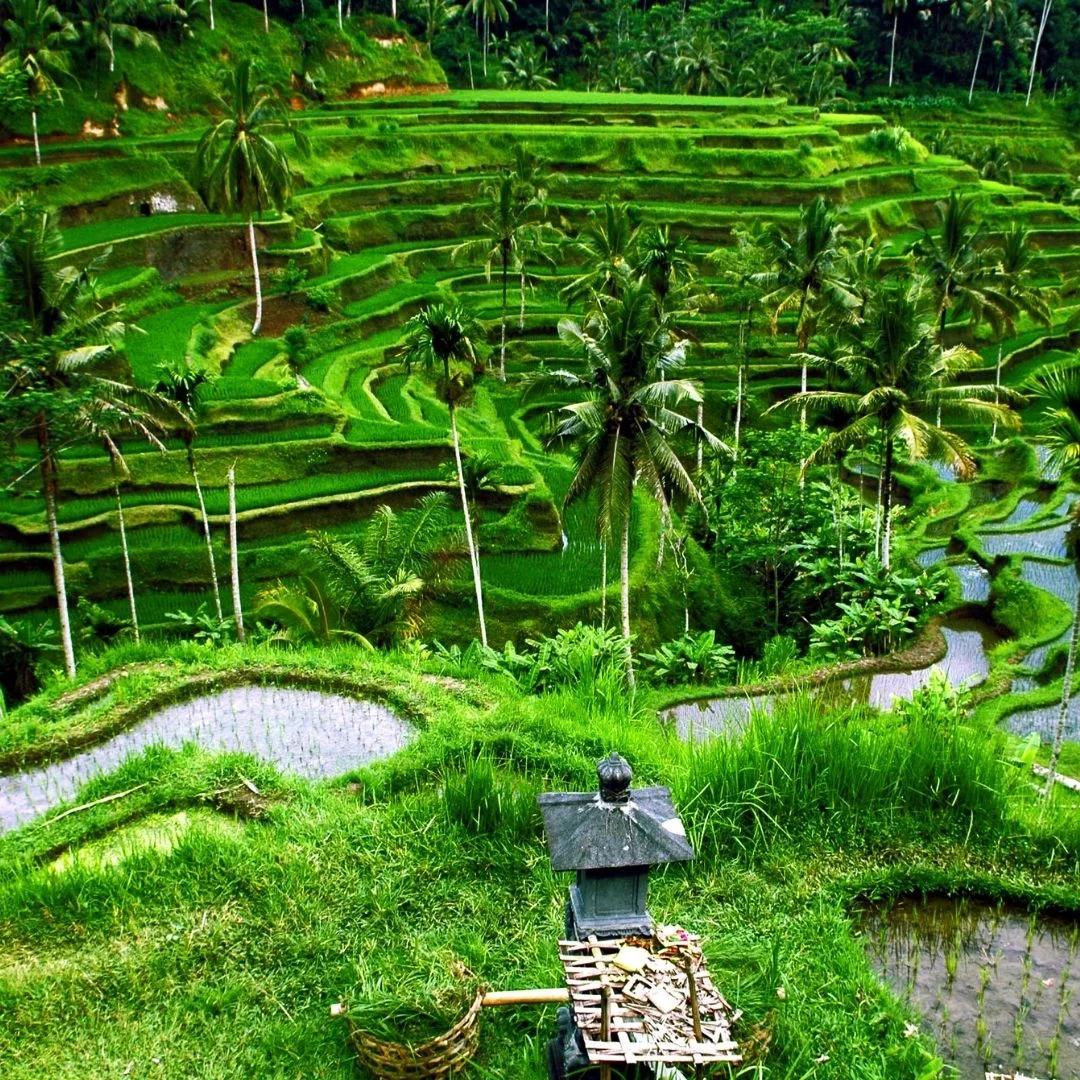
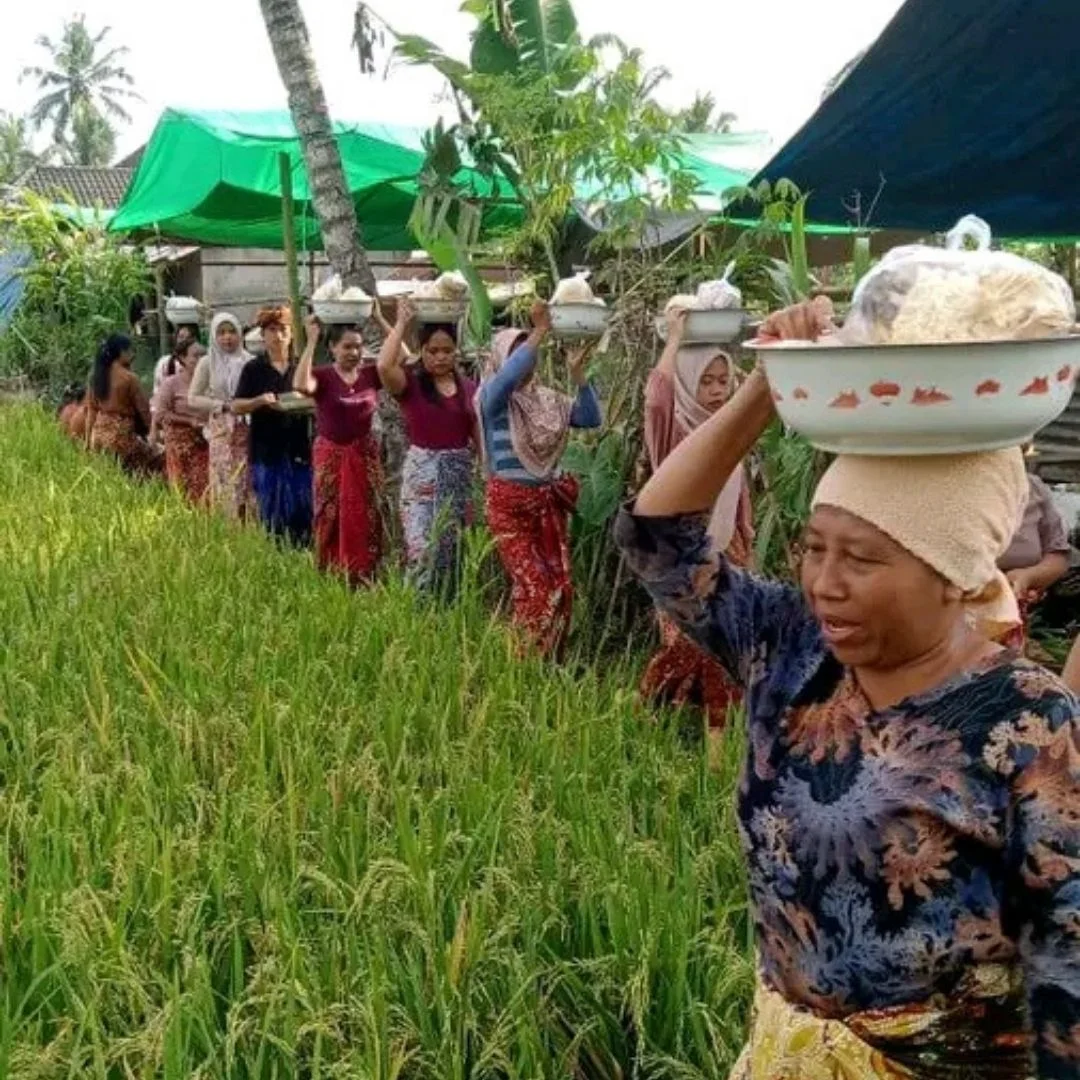
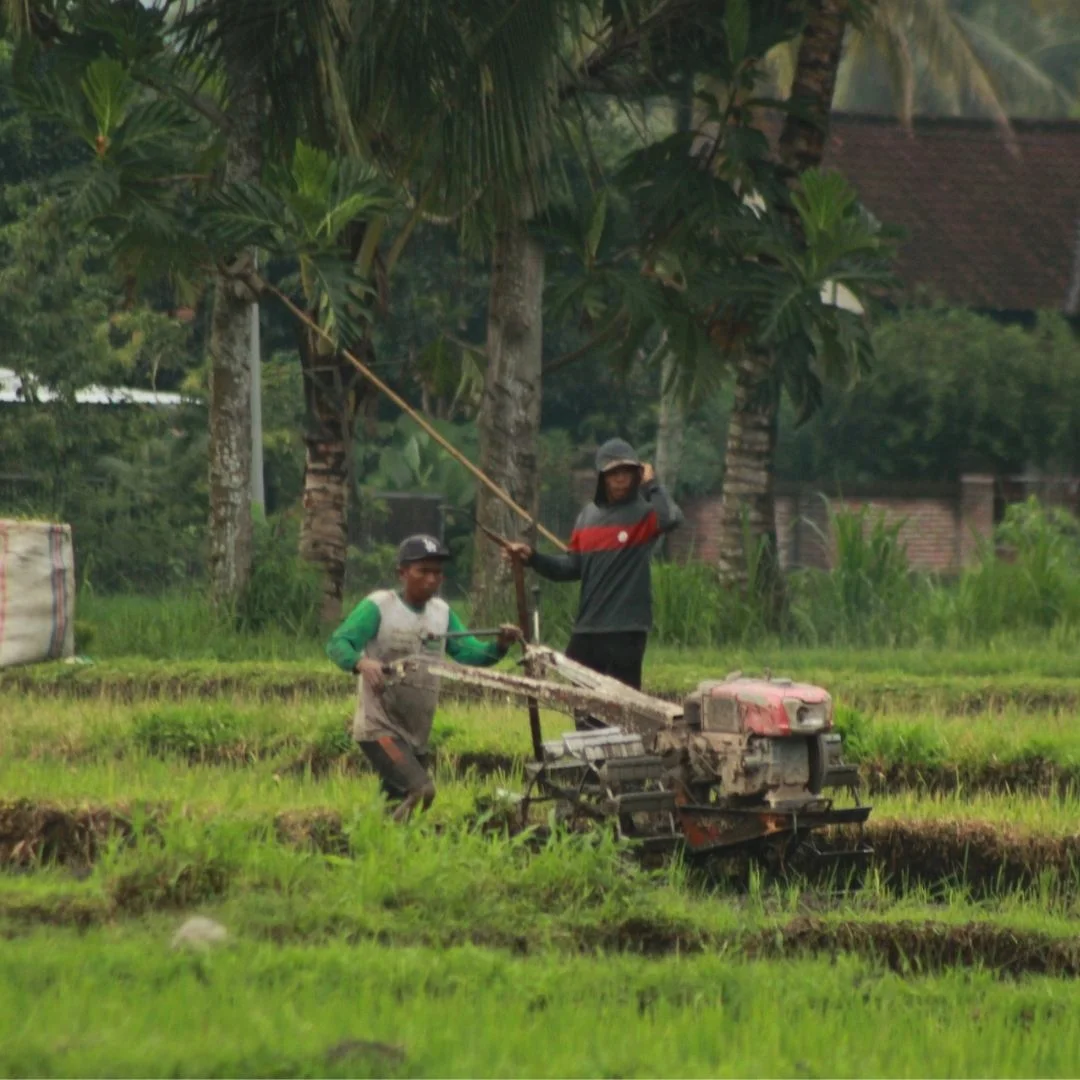
Organic farming in Indonesia focuses on using natural fertilizers, crop rotation, and pest management techniques that avoid harmful chemicals. The rise of organic farming has been driven by both consumer demand for healthier food and a growing awareness of the harmful effects of conventional agriculture on the environment. Farmers in regions like Bali, Java, and Lombok are leading the way by adopting organic methods to cultivate a variety of crops, including rice, vegetables, fruits, and spices.
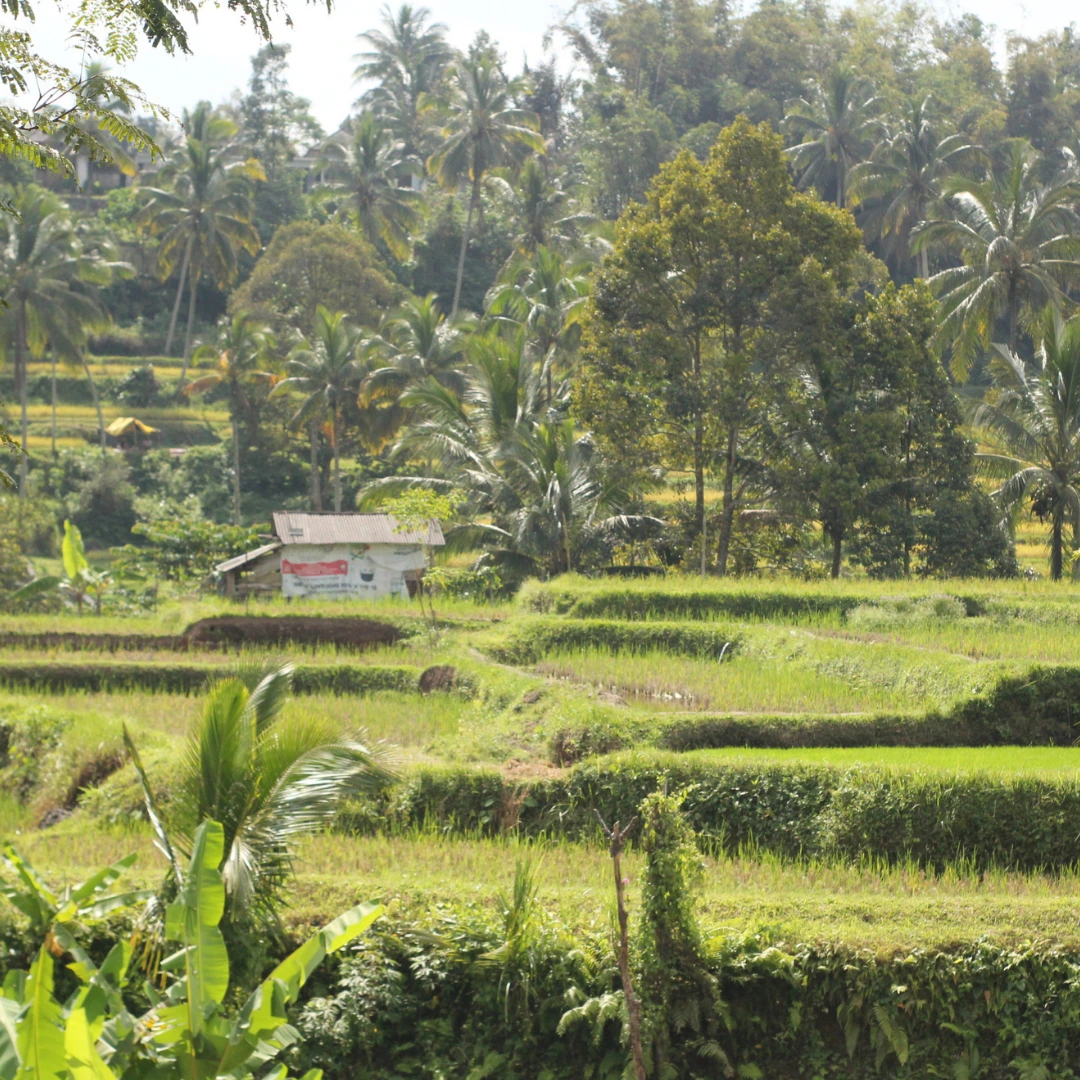
One of the major benefits of organic farming in Indonesia is its positive impact on biodiversity. By avoiding synthetic pesticides and fertilizers, organic farms help maintain healthy ecosystems, which support a wide variety of plant and animal species. Additionally, organic farming methods contribute to soil health, reducing the risk of soil erosion and improving water retention in agricultural lands.
The Indonesian government and various NGOs are supporting the growth of organic farming through training programs, subsidies, and market access for small-scale farmers. These initiatives help build sustainable livelihoods while promoting eco-friendly farming practices.
As demand for organic products continues to rise, Indonesia’s organic farming sector is poised for further growth, contributing to the country’s long-term environmental and economic sustainability. By supporting organic farming, Indonesia is not only providing healthier food options for its people but also taking an important step towards a more sustainable future.