

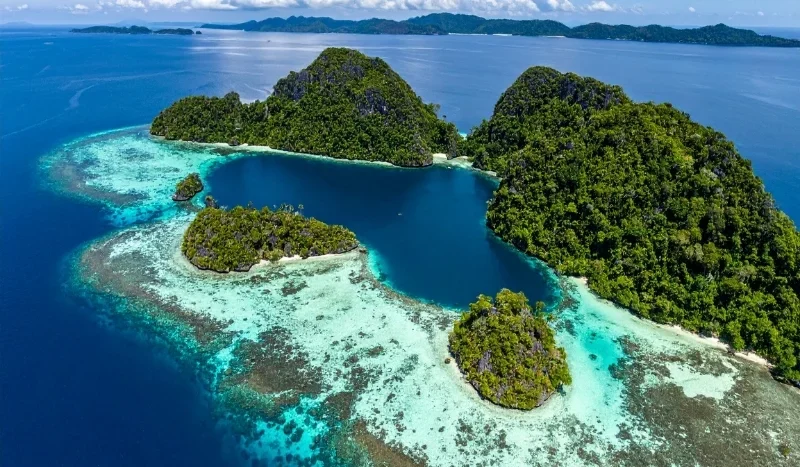
Nickel Mining Threatens Biodiversity and Communities in Raja Ampat
Raja Ampat, Indonesia’s famed archipelago, known for its vibrant coral reefs and rich marine life, is facing a growing environmental crisis. The recent surge in nickel mining across the region is causing widespread damage to vital ecosystems, with devastating consequences for both biodiversity and local communities.
Environmental reports reveal that mining operations now span over 22,000 hectares across several islands in Raja Ampat, including Gag Island, Kawe, and Manuran. These mining sites, previously granted permits by the government, are encroaching on some of the world’s most biodiverse marine environments. Nickel extraction, which plays a crucial role in the global electric vehicle (EV) battery industry, is being linked to severe ecological damage, including widespread coral bleaching, deforestation, and soil erosion.
Ecological Costs and Environmental Degradation
The immediate impacts of mining are visible on both land and sea. Mining activities, including the clearing of coastal forests and soil excavation, contribute to sedimentation runoff — where debris and pollutants wash into the sea, clouding the water and suffocating coral reefs. As a result, up to 6,000 acres of coral reefs are at risk of being destroyed, affecting marine species that depend on healthy coral ecosystems for survival. This degradation could have far-reaching effects on the region’s marine food web, impacting not just the wildlife, but also the fishing industries that many local communities rely on.
Local conservation groups have raised concerns that the damage to these coral ecosystems threatens the future of ecotourism, a key industry for Raja Ampat. The region has long been a hotspot for divers and snorkelers, attracted by its healthy reefs and unique underwater biodiversity. But with reefs now severely compromised, the region faces a potential collapse in tourism revenues that directly benefit local communities.
Communities at Risk
For the indigenous peoples of Raja Ampat, the situation is dire. These communities rely heavily on the surrounding marine environment for food, income, and cultural practices. The increasing presence of mining companies has sparked protests, with locals decrying the encroachment on their ancestral lands and natural resources. The mining activities have led to disputes over land rights and raised fears of losing access to critical resources, which are vital for their survival.
Indigenous groups have expressed frustration with the lack of clear government policies regarding the protection of their lands. They have called for an end to mining permits in these sensitive areas, arguing that sustainable practices like ecotourism and marine conservation are better suited to preserve both the environment and their way of life.
Government Response and Global Implications
In response to mounting environmental and social concerns, the Indonesian government has revoked several mining permits in the region, including four major nickel concessions. However, the permit for PT Gag Nikel, a major mining company operating on Gag Island, remains active. The government argues that this particular site falls outside the protected areas, though environmentalists believe this exception is undermining broader conservation efforts.
This controversy highlights the ongoing struggle between economic development, particularly in the mining sector, and the need for stringent environmental protection measures. As Indonesia continues to expand its role as a major producer of nickel — essential for the global transition to electric vehicles — the situation in Raja Ampat offers a cautionary tale. Experts warn that the exploitation of natural resources in sensitive regions could have long-lasting ecological consequences that undermine the sustainability of local communities and ecosystems.
The Road Ahead: A Call for Sustainable Development
The case of Raja Ampat underscores a growing tension between economic growth driven by industrial mining and environmental preservation. While nickel mining offers short-term economic benefits, it comes at the cost of long-term environmental and social stability. Conservationists are urging the Indonesian government to strengthen policies that promote sustainable alternatives, such as marine conservation and eco-friendly tourism, to ensure that the natural beauty of Raja Ampat is preserved for future generations.
As international attention focuses on the importance of preserving the Coral Triangle — one of the world’s most important marine biodiversity areas — it is crucial that Indonesia takes a proactive stance in balancing development with environmental stewardship. The path forward for Raja Ampat must include more robust conservation efforts, greater transparency in the mining industry, and a commitment to protecting the rights of local communities.
Without immediate action, Raja Ampat’s coral reefs could be lost forever, along with the cultural heritage and livelihoods of its indigenous people.